

Duration: 5 Days
Berlin Explorer
Berlin is a city that has a lot to offer school groups even though by 1944 Berlin had been almost destroyed by Allied bombing. However, a few Third Reich buildings, such as the air ministry, survive today. In 1933 Hitler seized control of Germany after the burning of the Reichstag, home to the German parliament. It is now restored to its former glory. Nearby the silent menace of the granite ‘tombs’ of the Holocaust memorial remind us of the underlying evil of Hitler’s regime. To the north lies the Sachsenhausen, the Concentration Camp where thousands of his political opponents were brutally exterminated.
All our tours are customisable, get in touch to discuss your specific requirements
All about the Berlin Explorer.
The Edventure Travel Package
All Edventure Travel trips and tours can be customised to your personal requirements, this sample tour is designed to give you inspiration for your own trip. When you are ready to start planning, get in touch and we can design a bespoke package tour for your group. We will always make clear what is included and excluded in your quotation.
Fully Protected
Your trip will be fully protected through our membership of the ABTOT and ABTA. Furthermore, Edventure Travel has its own ATOL licence ensuring that you have complete protection when taking a flight. Edventure Travel offers travel insurance that can be included in your trip to give you protection in the event of unforeseen circumstances.
Customised for you
All tours are 100% customised to suit your group. We believe that every group should be treated individually, it's your tour after all. If you want to add something that is not featured on our website just let us know and we will work with you to develop an itinerary to meet your needs.
Out of Hours Contact
In the unlikely event that you encounter problems whilst on tour, there will always be someone at the end of the phone to assist with any situation.
Travel Advice
For the latest travel advice from the Foreign & Commonwealth Office including security and local laws, plus passport and visa information, click here. Foreign Travel Advice www.gov.uk/foreign-travel-advice
You should seek advise on recommended vaccinations and precautions from a health professional - either a GP, a practice nurse, a pharmacist or a travel health clinic - ideally at least eight weeks before departure. Further travel health advice can be found on the following link. Travel Health Pro Website https://travelhealthpro.org.uk/countries
The tour package inclusions and exclusions at a glance
What is included in this tour?Items that are included in the cost of tour price.
- Return Flight
- All travel when at your destination
- Accommodation based on bed and breakfast with students in multi-bedded rooms
- Teachers free of charge sharing twin rooms
- All meals mentioned in the itinerary
- All activities mentioned in the itinerary unless otherwise stated
- Travel Insurance
What is not included in this tour?Items that are not included in the cost of tour price.
- Single Room Supplements
- Personal Expenditure
- Overseas departure taxes if applicable
- Tips for guides and drivers
- Full Time Tour Director
- Activities not mentioned
- Luggage in the hold of the aircraft

-
The Reichstag
Berlin
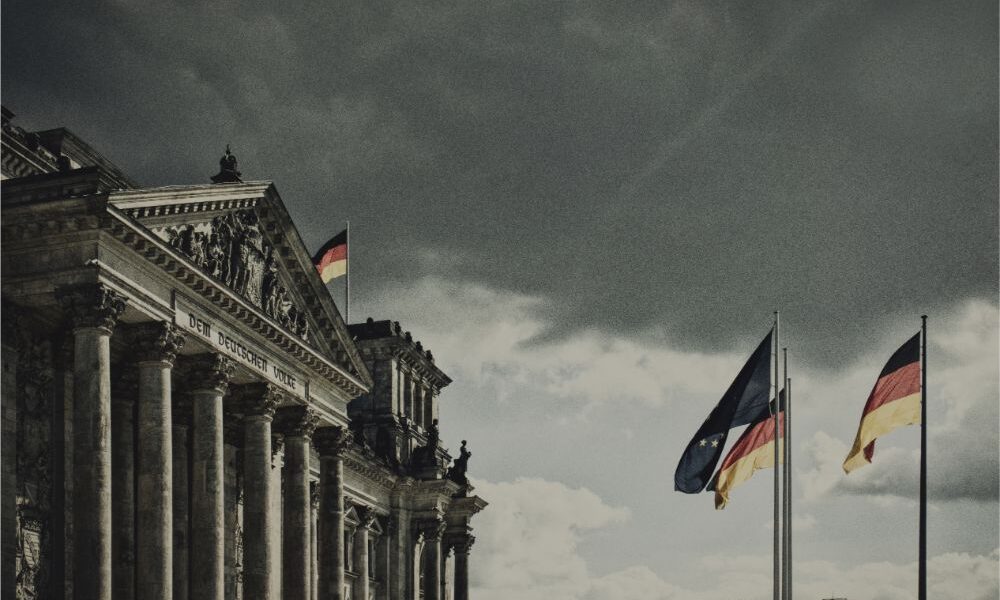 Your school can visit this fascinating building opened in 1894 which housed the German Parliament until 1933. The ruin of the Reichstag building was rebuilt in the 1960s, but was not used as a parliament building. In the 1990’s after it had fallen into disuse, it was decided to restore the building to be used as the seat of the German parliament once more and a British architect, Paul Wallot, was chosen to design it. The famous glass dome is now open to the public and your students will enjoy the ascent to the top and the views from the summit.
-
The Brandenburg Gate
Berlin
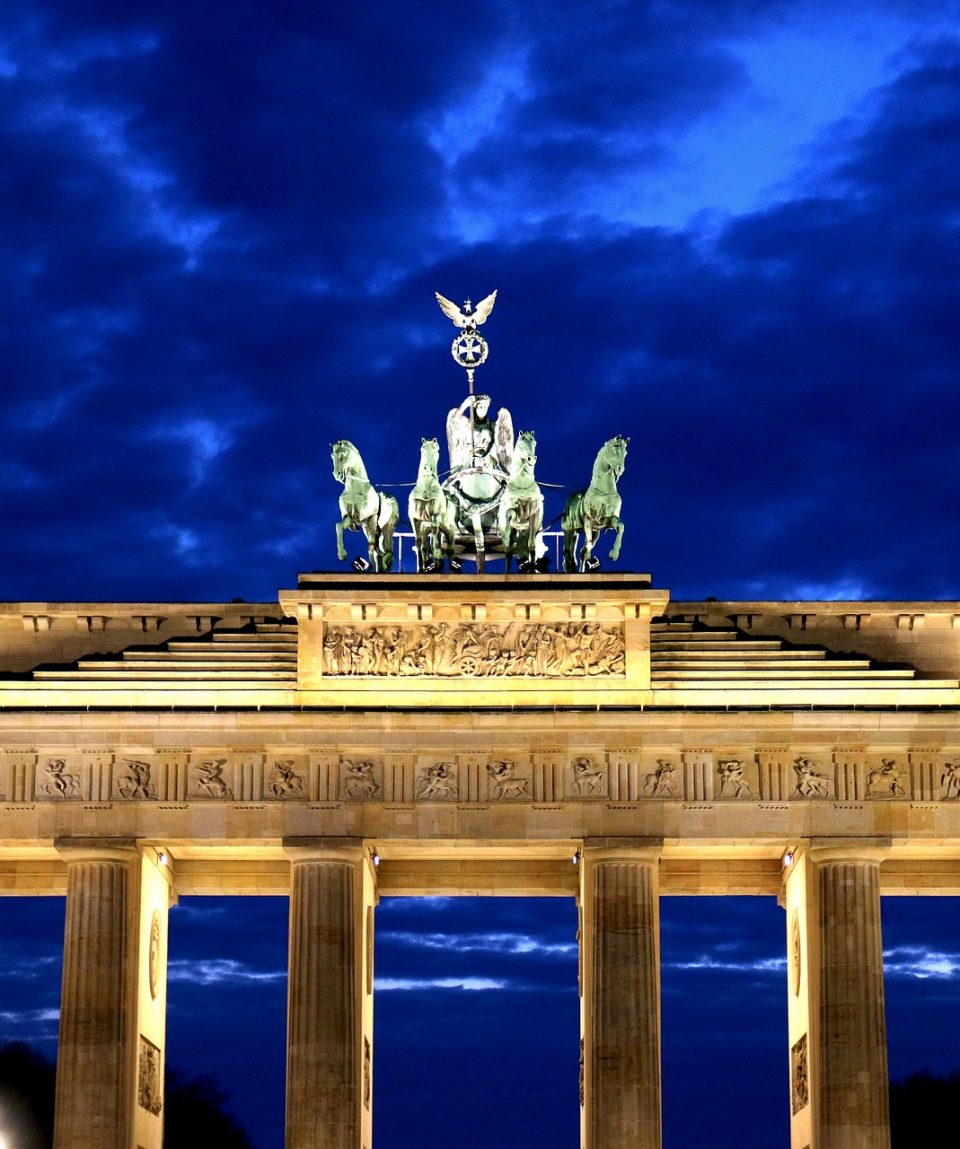
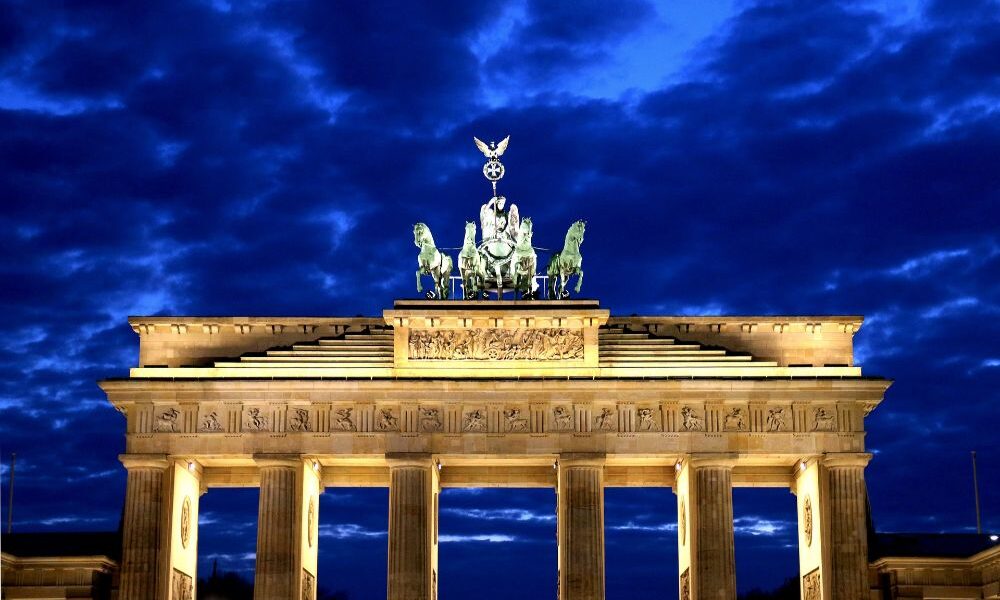 Your group will be impressed with the magnificent 18th-century Brandenburg Gate which is one of the largest and most beautiful neoclassical monuments, built on the orders of Prussian King Frederick William II, and is one of the main symbols of Berlin. The Brandenburg Gate was badly damaged during WW2 and had to have major reconstruction. Your group can visit the museum to learn more about this magnificent creation. The Brandenburg Gate was often a site for major historical events and is today seen as a symbol of European unity and peace.
-
Quadriga on the Brandenburg Gate
Berlin
Your students will discover that the Quadriga is one of the best known landmarks of Germany. The chariot drawn by four horses was erected on the site of a former city gate and marked the start of the road from Berlin to Brandenburg and der Havel. After the defeat of Prussia in 1806, Napoleon abducted the Quadriga to Paris. But with the victory of the alliance she could be brought back eight years later and placed at her old destination.
-
Holocaust Memorial
Berlin
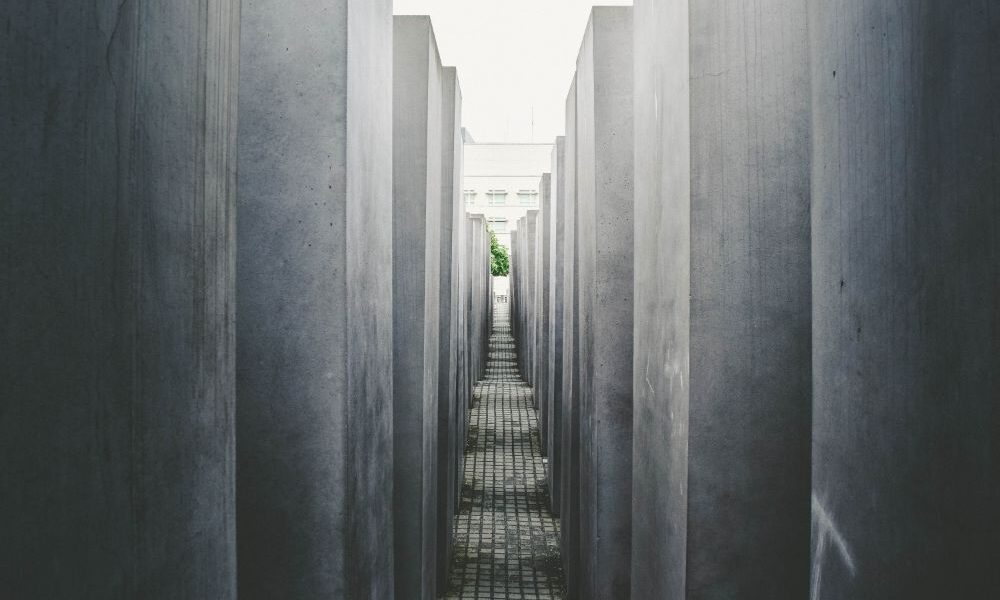 Allow your students to discover this unusual place of remembrance, commonly known as the Memorial to the Murdered Jews. Learn more in the visitor centre which has several galleries. The Memorial, which was opened in 2005, is a memorial in Berlin to the Jewish victims of the Holocaust, designed by architect Peter Eisenman and engineer Buro Happold. Walk amongst the 2711 concrete slabs of different heights and fully immerse yourselves in this place of contemplation and remembrance. Discover a moment of slight giddiness as you traverse the sloped concrete floor, giving you a wave like feeling.
-
Jewish Museum
Berlin
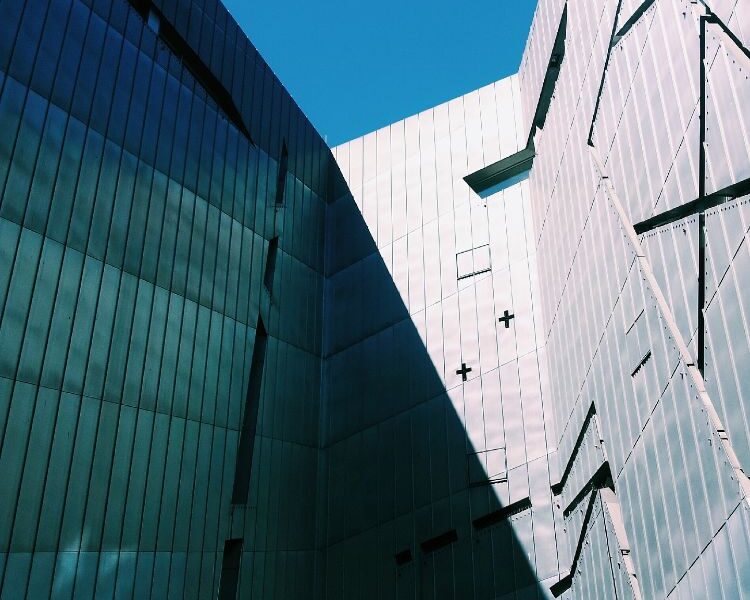 The Jewish Museum in Berlin is the largest Jewish museum in Europe and consists of three buildings. Your students will discover the German-Jewish history whilst visiting the collections which are divided into four areas: ceremonial objects and applied arts, fine arts, photography, and lastly, everyday culture. Your students can visit the basement gallery where Jewish history is presented in a multimedia and interactive way. Under the headings of “Things”, “Stories”, and “Faces”, students can deepen their knowledge, e.g. on the life story of Albert Einstein. Your group can experience the inspirational ‘Installation Shalekhet – Fallen Leaves’, which is an exhibition of 10 000 faces punched out of steel which are distributed on the ground of the Memory Void. The artist dedicated this artwork not only to Jews killed during the Shoah, but to all victims of violence and war. Visitors are invited to walk on the faces and listen to the sounds created by the metal sheets, as they clang and rattle against one another.
-
Sachsenhausen Camp
Berlin
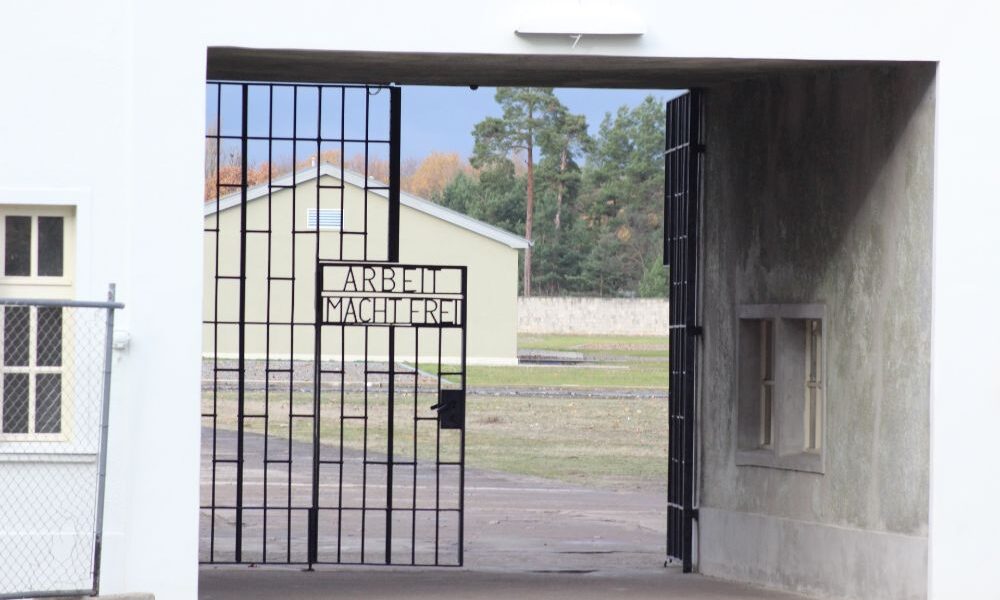 Sachsenhausen Camp was a Nazi concentration camp in Oranienburg for political prisoners from 1936 to the end of 1945 when 200,000 people passed through its gates. Students can visit the memorial and museum, Sachsenhausen, to experience this place of remembrance as well as learn about modern time-history. It includes the collection and preservation of historical testimonies and relics and students will learn about the special significance of historical and political education.
-
Check Point Charlie
Berlin
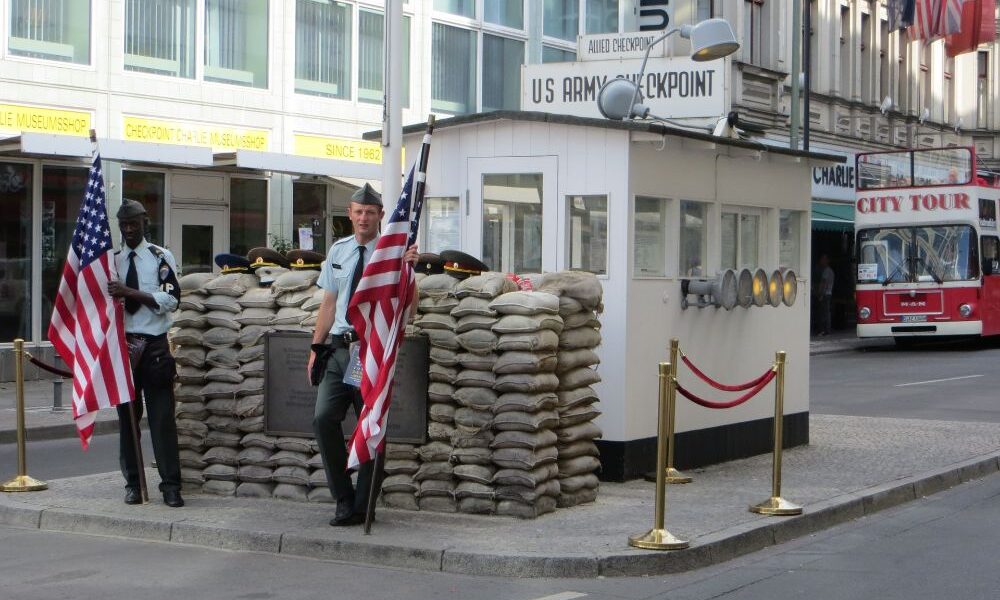 Checkpoint Charlie was the name given by the Western Allies to the best-known Berlin Wall crossing point between East and West Berlin during the Cold War. The border crossing gained its fame in October 1961 when American and Soviet tanks took up their positions after members of the US mission were called on the GDR border post to identify themselves as they passed the Allied checkpoint. They faced each other with live ammunition and it almost came to a third world war. In the following years, the checkpoint was the scene of spectacular escapes that often led to death. Your students can visit the Wall Museum nearby, which documents numerous escape attempts.
-
Topographie Of Terror
Berlin
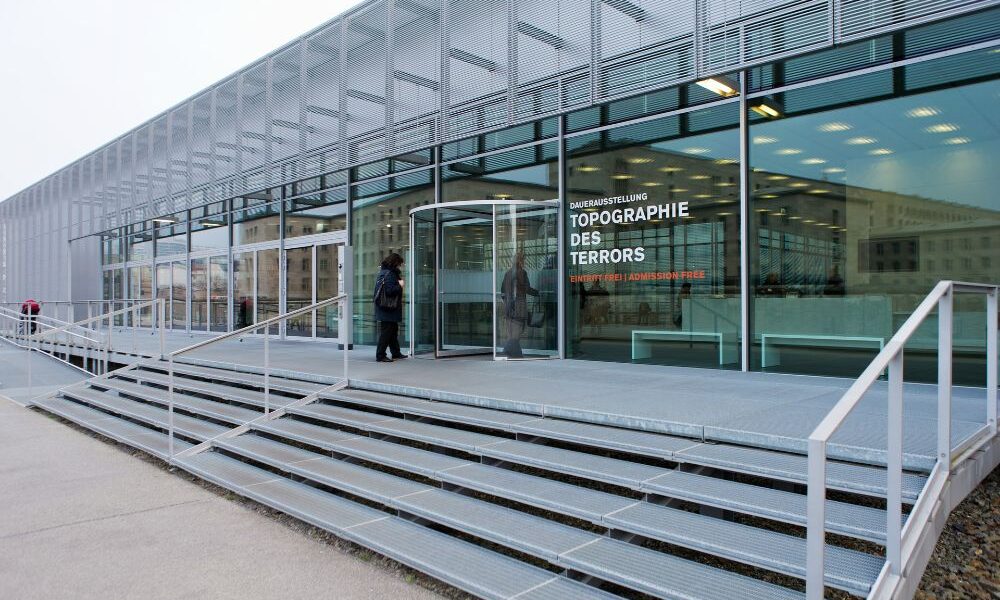 The Topography of Terror is an outdoor and indoor history museum in Berlin and your group will discover that it is a documentation centre which holds details of those exterminated by the Nazi regime. This is one of the most visited memorial sites in Berlin. Students will discover that during the “Third Reich” this was the headquarters of Nazi terror from 1933 to 1945 which included the Secret State Police, the SS and the Reich Security Main Office.
-
Charlottenburg Palace
Berlin
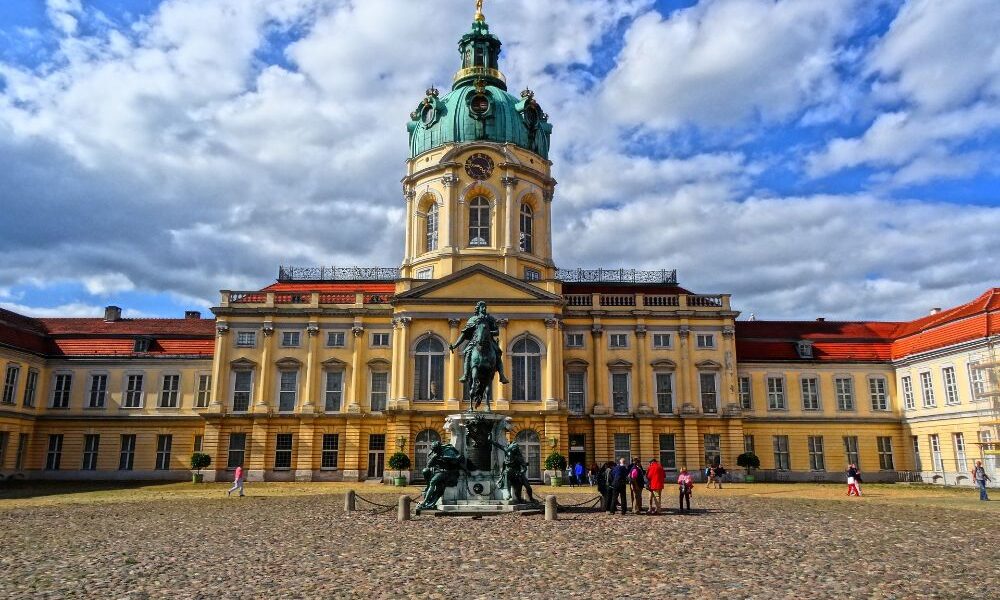 Charlottenburg Palace is the largest palace in Berlin. It was built at the end of the 17th century and was greatly expanded during the 18th century. Your group can discover its lavish internal decoration in baroque and rococo styles including a collection of 18th century French paintings; Chinese and Japanese porcelain; silverware chambers; as well as the New Wing, with its rococo splendour and fine furniture. The palace was severely damaged in World War II, and rebuilding starting in the 1950’s. Charlottenburg Palace’s former theatre is now home to the Museum for Pre- and Early History.
-
Wannsee Villa
Berlin
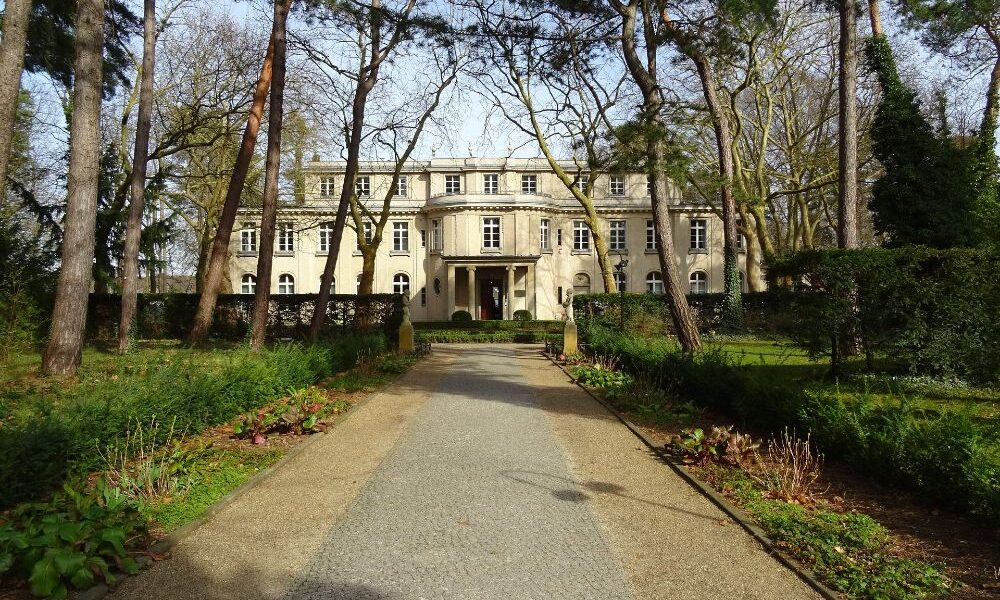 The Wannsee Villa was the meeting place of Nazi German officials in 1942, to discuss and coordinate the deportation and murder of the Jews of Europe. Today, the villa is a Holocaust Memorial. The permanent exhibition titled “The Wannsee Conference and the Genocide of European Jews” will provide your group information on the history of the persecution of Jews, their disenfranchisement and displacement between 1933 and 1939 as well as on the Nazi deportation, ghettoisation and murder of European Jews during WWII.
-
The Story Of Berlin
Berlin
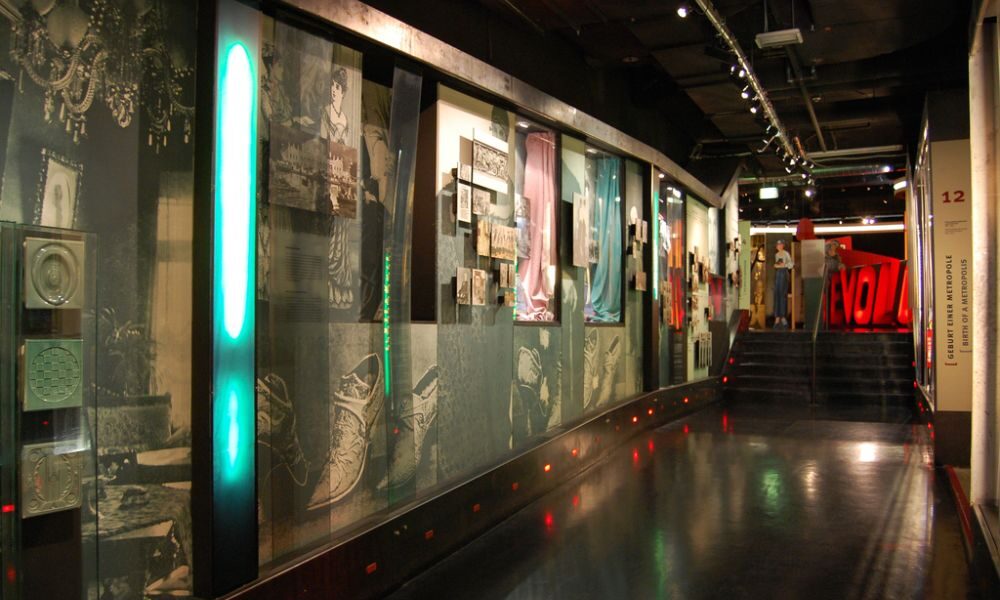 Students will tour this interactive exhibition with multimedia shows about the development through Berlin’s 800-plus year history. Each section has plenty to keep your group busy, with touch screens, information drawers, and presentation ranging from clever to intense including a vibrating floor like a factory. A special series of rooms show the grim nature of the Third Reich in a thought-provoking, conceptual fashion. Your students will glimpse life on each side of the Berlin Wall when visiting the divided living rooms and the still-functioning underground nuclear bomb shelter.
-
TV Tower
Berlin
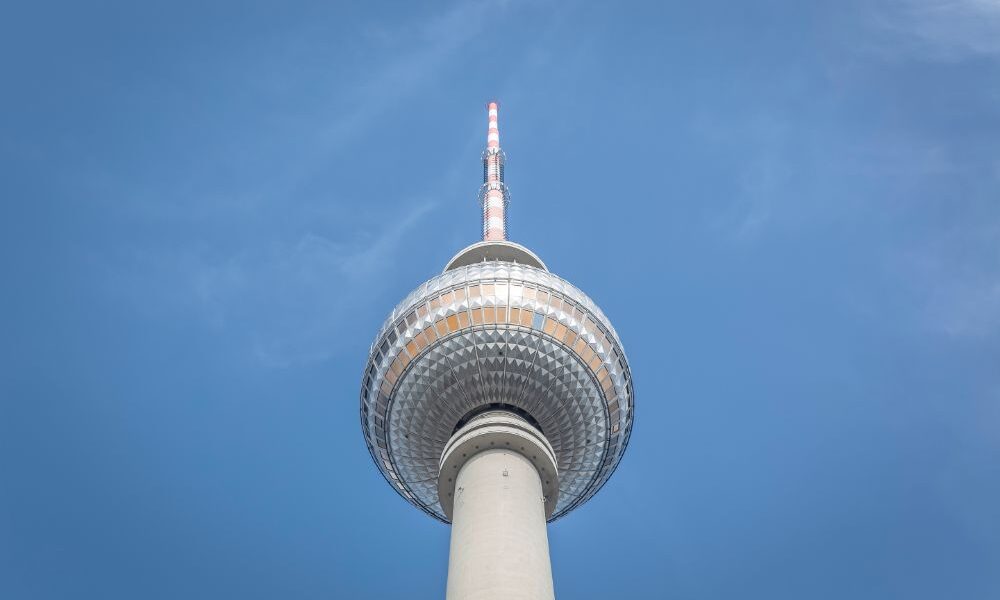 The TV Tower at Alexanderplatz, which was constructed in 1965 & 1969, is Berlin’s most prominent landmark and the tallest building in Germany. Its steel sphere contains a visitor platform and a revolving restaurant. Students can ascend the tower and see the capital at their feet in just 40 seconds! A breathtaking 360° view of the city awaits your group from 203 meters! Spend your time waiting by strolling through Alexanderplatz.
-
Potsdam Conference Venue
Potsdam
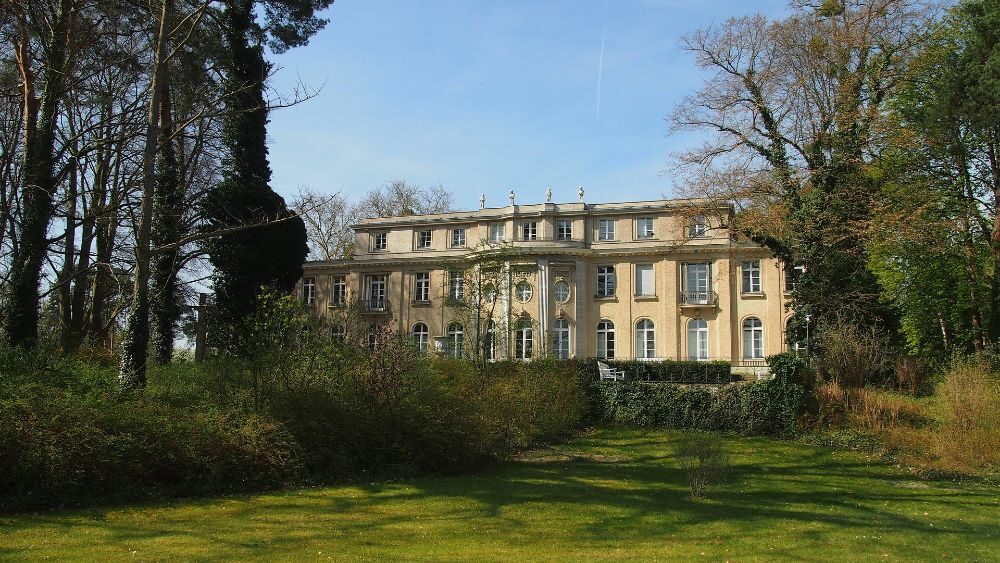 Your students can visit the venue of The Potsdam Conference which was held at Cecilienhof, the home of Crown Prince Wilhelm in Potsdam, occupied Germany, from 17 July to 2 August 1945. This conference was also referred to as the Berlin Conference of the Three Heads of Government of the USSR, USA, and UK. These countries were represented respectively by Communist Party General Secretary Joseph Stalin, Prime Ministers Winston Churchill and Clement Attlee, and President Harry S. Truman. They gathered to decide how to administer Germany, which had agreed to unconditional surrender nine weeks earlier on 8 May. The objectives of the conference also included the establishment of post war order, peace treaty issues, and countering the effects of the war.
-
Olympic Stadium
Berlin
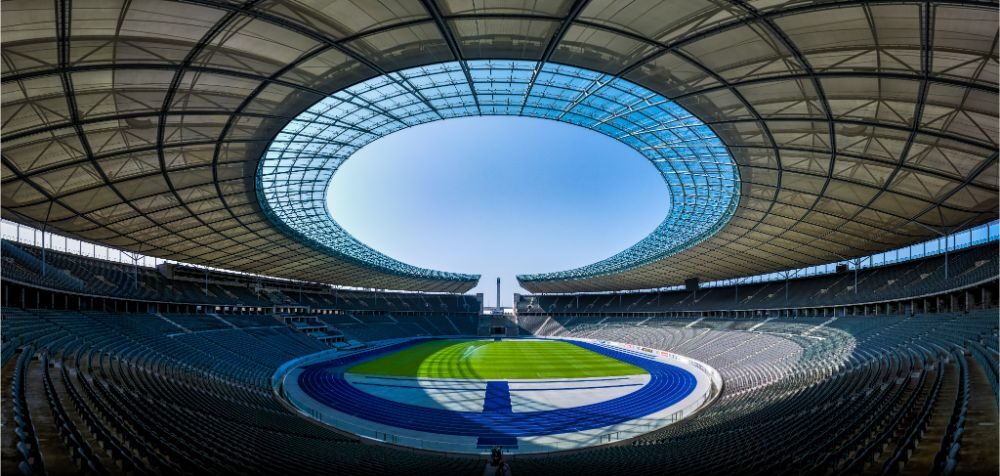 Your group could visit The Olympiastadion, originally built for the 1936 Summer Olympics. It is best remembered for African American Jesse Owens four golds in 1936, amidst Nazi propaganda promoting “Aryan racial superiority”. Today the stadium is part of the Olympiapark Berlin and besides its use as an athletics stadium; the arena is also used for many footballing events. It hosted three matches in the 1974 FIFA World Cup and was renovated for the 2006 FIFA World Cup, when it hosted six matches, including the final.
When the Nazis came to power in Germany (1933), they decided to use the Olympic Games in 1936 for propaganda purposes. The games were officially inaugurated by the head of state Adolf Hitler and one of the most memorable events was the performance of the African-American track and field athlete Jesse Owens (USA), when he won the gold medal in the 100, 200, long jump and 4 x 100 relay. One of the main streets outside the stadium is named Jesse Owens Allee in recognition of his performance.


All our accommodation is provided through tried and tested suppliers that work well with different types of groups, including schools, colleges and social groups. We work with our agents in each country to provide the best accommodation suited to your group. This can depend on the time of year that you travel, your group size and type, the cities that you will travel to, accessibility and price. We will always discuss with you what your preferences are and give examples of the accommodation that we can offer.


