


Duration: 5 Days
Rome and Pompeii Explorer
On this five day tour with Edventure Travel you have a one day excursion to Pompeii to explore the fascinating city destroyed by the volcanic eruption of Vesuvius. You will stay in Italy’s iconic capital which is perfect for a school trip with its beautiful architecture, rich history and superb dining. This tour takes in the main historical sights and ancient ruins in this magnificent Roman city. Visit the Vatican Museums, Colosseum, Roman forum and much more.
All our tours are customisable, get in touch to discuss your specific requirements
All about the Rome and Pompeii Explorer.
The Edventure Travel Package
All Edventure Travel trips and tours can be customised to your personal requirements, this sample tour is designed to give you inspiration for your own trip. When you are ready to start planning, get in touch and we can design a bespoke package tour for your group. We will always make clear what is included and excluded in your quotation.
Fully Protected
Your trip will be fully protected through our membership of the ABTOT and ABTA. Furthermore, Edventure Travel has its own ATOL licence ensuring that you have complete protection when taking a flight. Edventure Travel offers travel insurance that can be included in your trip to give you protection in the event of unforeseen circumstances.
Customised for you
All tours are 100% customised to suit your group. We believe that every group should be treated individually, it's your tour after all. If you want to add something that is not featured on our website just let us know and we will work with you to develop an itinerary to meet your needs.
Out of Hours Contact
In the unlikely event that you encounter problems whilst on tour, there will always be someone at the end of the phone to assist with any situation.
Travel Advice
For the latest travel advice from the Foreign & Commonwealth Office including security and local laws, plus passport and visa information, click here. Foreign Travel Advice www.gov.uk/foreign-travel-advice
You should seek advise on recommended vaccinations and precautions from a health professional - either a GP, a practice nurse, a pharmacist or a travel health clinic - ideally at least eight weeks before departure. Further travel health advice can be found on the following link. Travel Health Pro Website https://travelhealthpro.org.uk/countries
The tour package inclusions and exclusions at a glance
What is included in this tour?Items that are included in the cost of tour price.
- Return Flights
- All travel when at your destination
- Accommodation based on bed and breakfast with students in multi-bedded rooms
- Teachers free of charge sharing twin rooms
- All meals mentioned in the itinerary
- All activities mentioned in the itinerary unless otherwise stated
- Travel Insurance
What is not included in this tour?Items that are not included in the cost of tour price.
- Single Room Supplements
- Personal Expenditure
- Overseas departure taxes if applicable
- Tips for guides and drivers
- UK Coach Transfers
- Full Time Tour Director
- Activities not mentioned
- Meals not mentioned
- Luggage in the hold of the aircraft
-
Ostia Antica
Rome
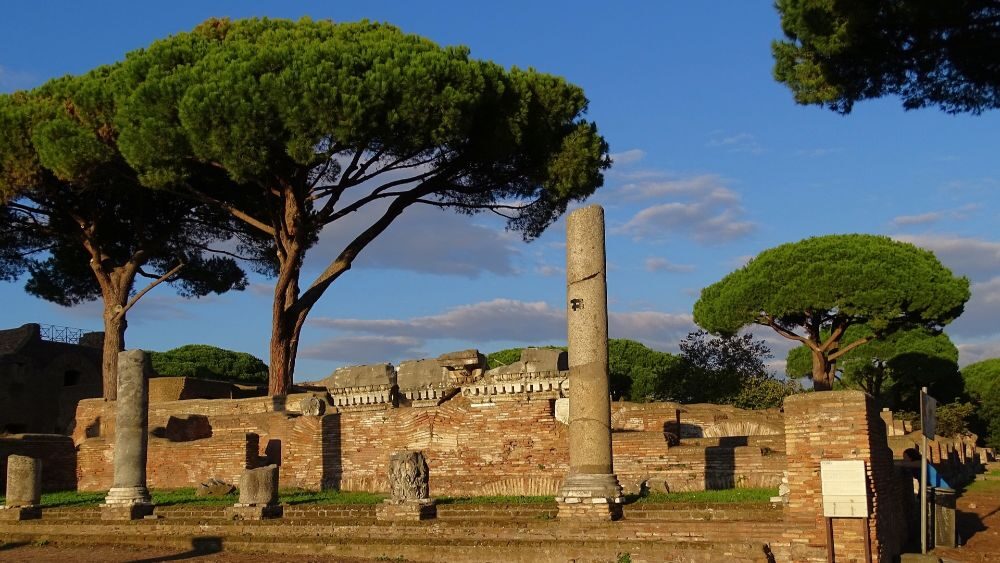 Ostia Antica is a large archaeological site that is the location of the harbour city of ancient Rome where ocean-going craft from across the Mediterranean would dock and unload cargo to be transferred to barges and sent up-river to Rome. The city was abandoned when the inhabitants were hit by malaria and fled to save their lives and consequently the Romans began to use other ports, so it turned into a forgotten port. The site still houses the remains of most of the city’s buildings before it was abandoned and the main street shows the houses and shops which once thrived here, including taverns, inns, shops, public baths. a Jewish synagogue, a Christian Basilica, a large reconstructed theatre and 18 temples dedicated to the Persian god Mithra.
-
The Colosseum
Rome
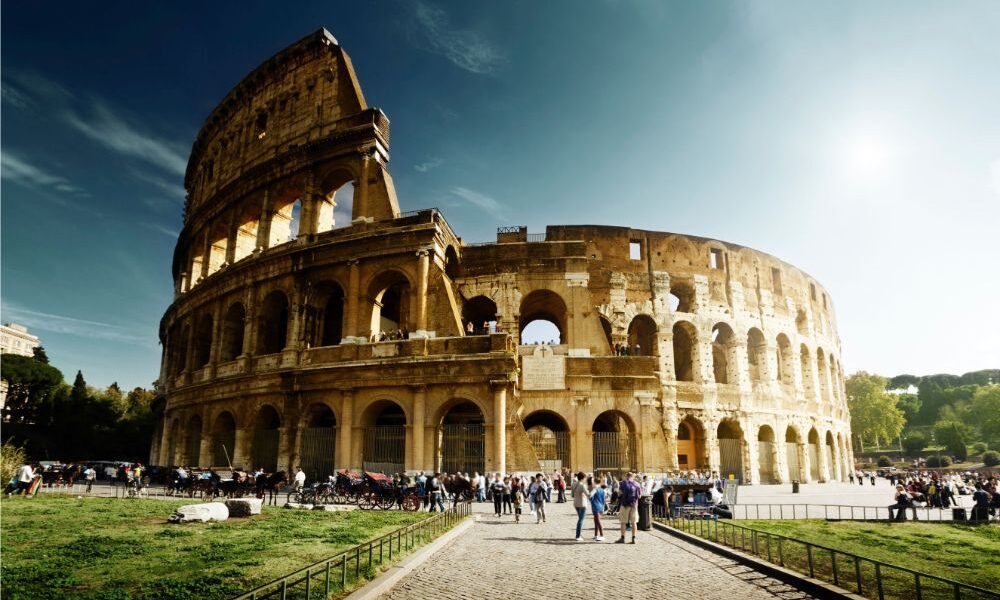 The Colosseum, also known as the Flavian Amphitheatre, is one of Rome’s greatest gladiatorial arena and the most thrilling of the city’s ancient sights. It is an oval amphitheatre in the centre of the city and is famous for being the largest amphitheatre ever built and held 50,000 spectators. Your group will be able to see that inside, the tiered seating encircled the arena and discover that it is built over an underground compound where animals were caged, and stage sets prepared for the games which involved gladiators fighting wild animals or each other. Over two thousand years on and it is Italy’s top tourist attraction.
-
Roman Forum
Rome
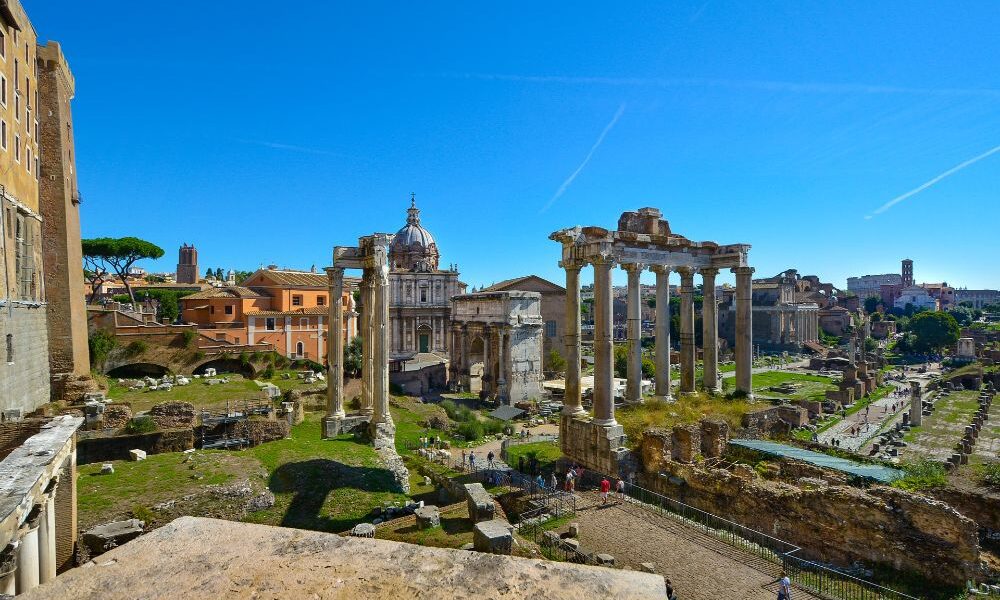 The Roman Forum is a rectangular forum surrounded by the ruins of several important ancient government buildings and sits at the centre of the city of Rome. Elections, public speeches, gladiator matches, and even trials of accused criminals took place on this famous site. Many monuments and statues were created in the Roman Forum to honour those considered great in Ancient Rome. They also constructed temples to honour men and gods. Today, the Roman Forum is one of the most famous tourist sites in the world.
-
Vatican Museums
Rome
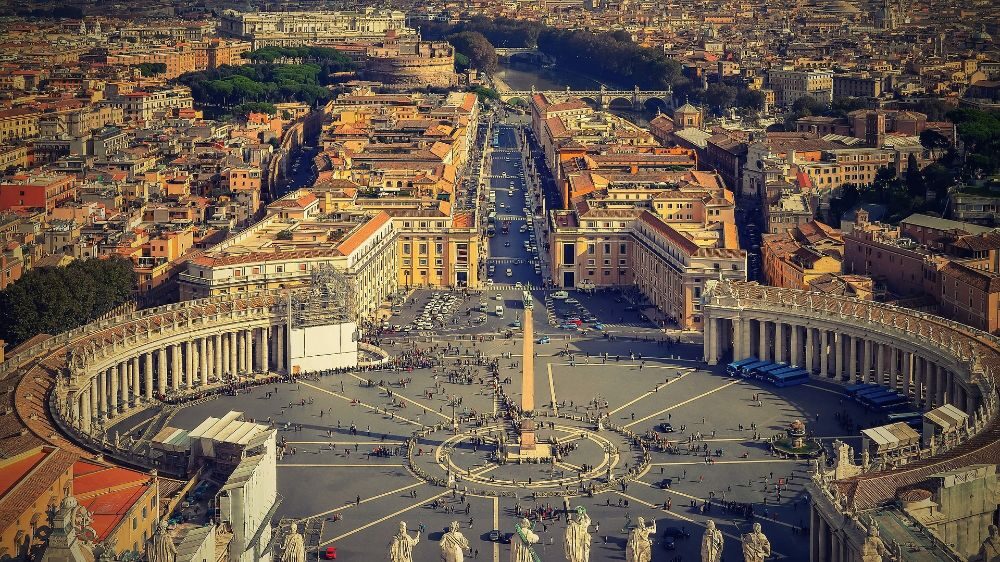 These Christian art museums are located within the city boundaries of the Vatican City and hold an immense collection of art which has been accumulated by popes throughout the centuries. The museum displays several of the most renowned Roman sculptures and most important masterpieces of Renaissance art in the world. A few steps away from the Vatican Museums and the Sistine Chapel, there are other places of interest that your group can visit. Such as the Castel Gandolfo, the Vatican Gardens and the St. Peter’s Basilica, which is home to the Holy See.
-
Piazza Navona
Rome
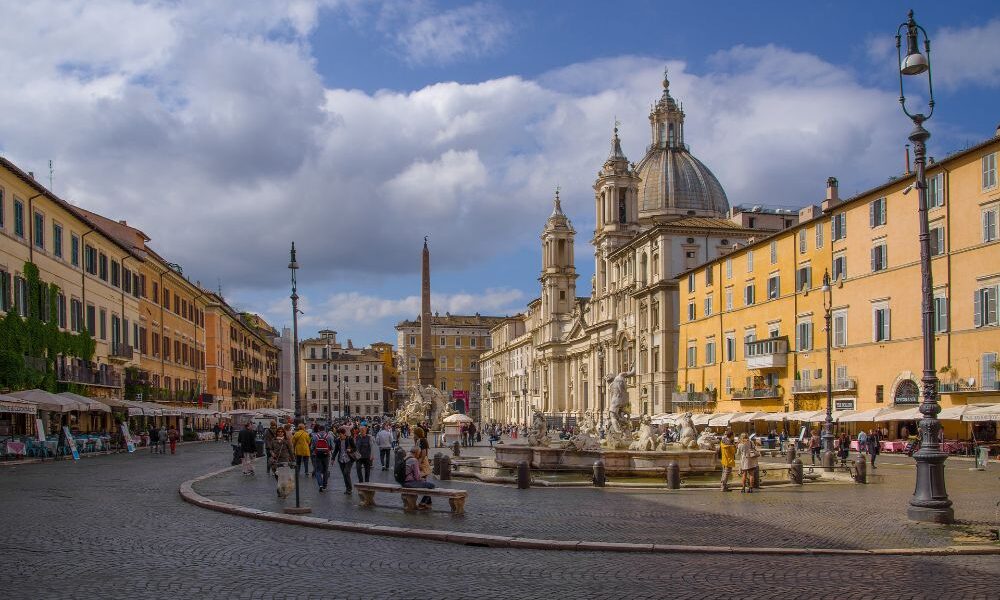 Piazza Navona is a public plaza in Rome, and famous for its three fountains. La Fontana dei Quattro Fiumi (Fountain of Four Rivers) is the most photographed item in the square. Sitting at the heart of this fountain is a tall Roman obelisk surrounded by four figures, each representing the great rivers: Ganges, Nile, Danube and Rio de la Plata. On the rock base of the fountain can be seen the pope’s coat of arms, a dove and an olive branch. The two other fountains are smaller but also have stunning sculptures. Piazza Navona is lined with luxurious cafes and Baroque palaces and surrounding the square are street artists, painters and musicians who add a lively atmosphere to the scene.
-
Pantheon Square
Rome
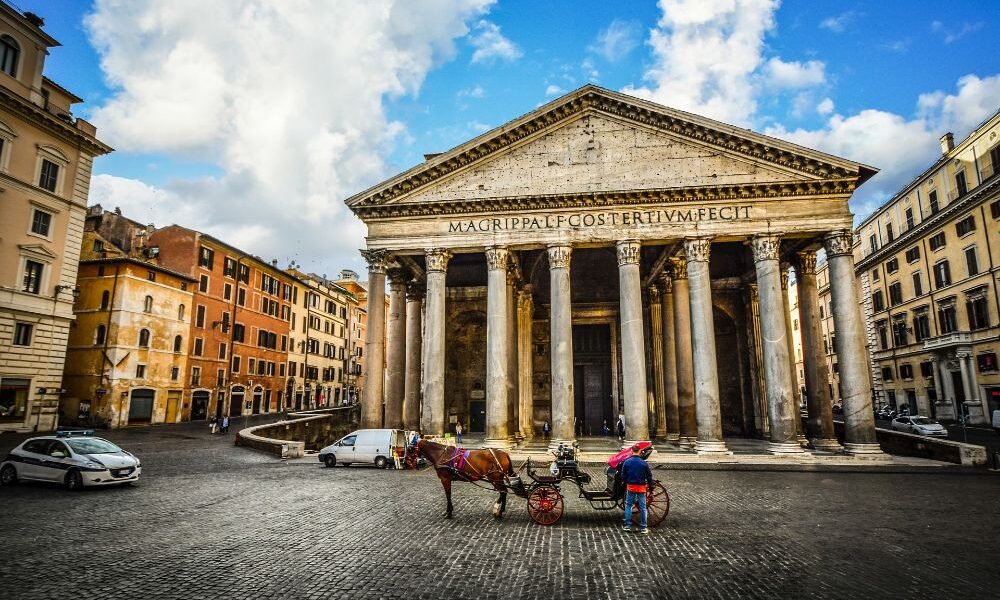 Pantheon Square sits in front of the Pantheon, which is the most preserved and influential building of ancient Rome. It is a former Roman temple dedicated to all the gods of pagan Rome. The Fontana del Pantheon can be seen in the Piazza della Rotonda, in front of the Roman Pantheon. Inside the Pantheon can be seen the original marble floor, which features a design consisting of a series of geometric patterns.
-
Piazza di Spagna and the Spanish Steps
Rome
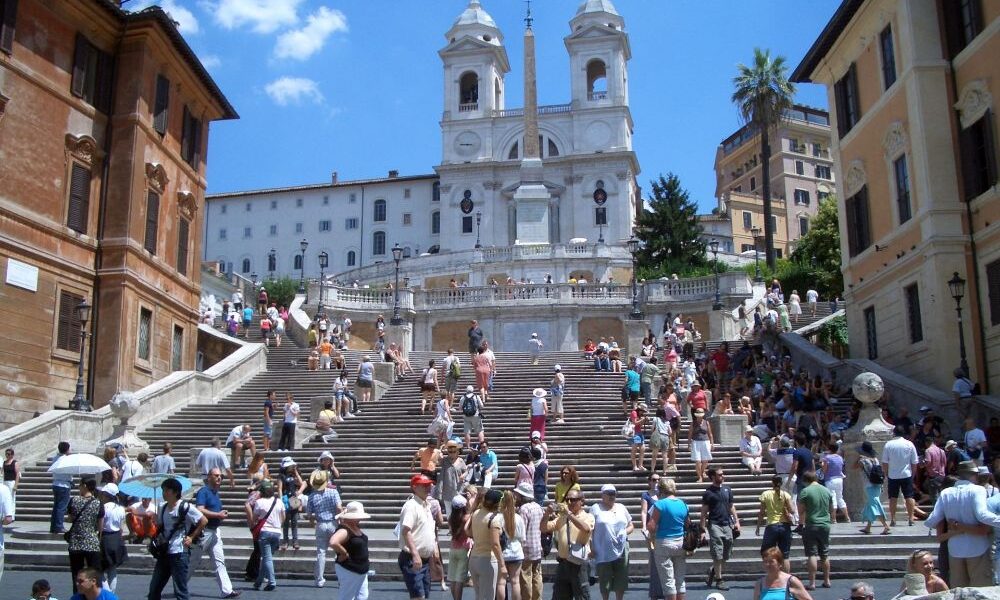 The Spanish Steps are a set of steps on a steep slope between the Piazza di Spagna at the base and Piazza Trinita dei Monti at the top dominated by Trinita dei Monti Church. The steps are at the eastern end of the old city centre. From the base there is a maze of very narrow lanes crammed full of designer shops waiting to be explored. The Spanish Steps are still a place for artists, painters and poets to visit. Today, at the top of the Spanish Steps you will find a cluster of artists painting visitor’s portraits.
-
Trevi Fountain
Rome
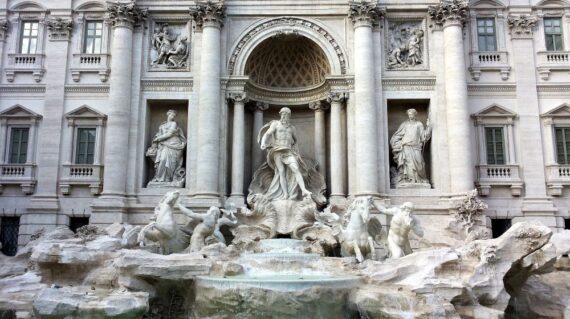
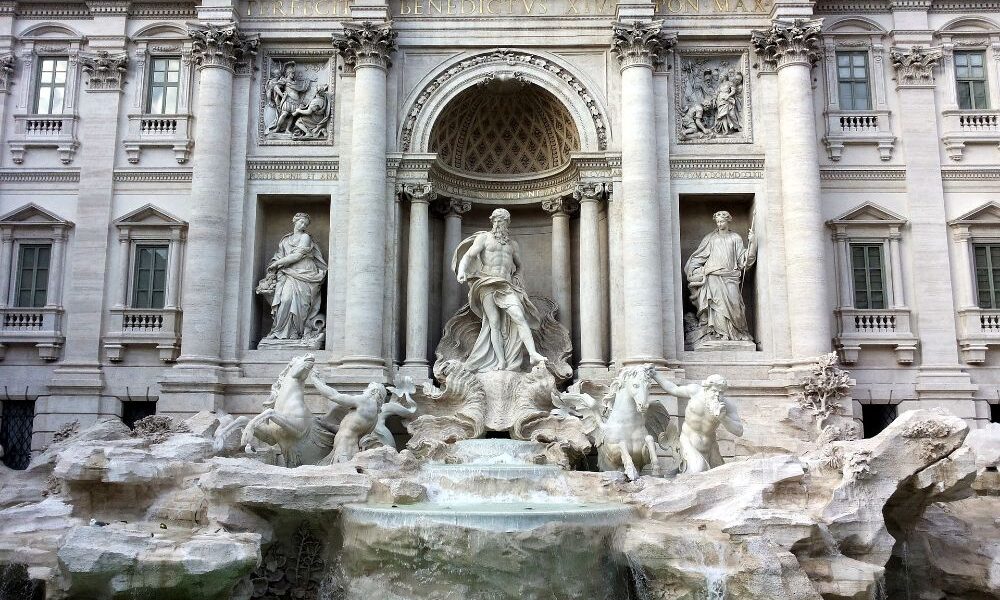 The Trevi Fountain is the most famous and largest Baroque fountain in the Trevi district and sits in the heart of the city of Rome. It was designed as a large basin in a semi-circular shape sunk slightly below pavement level which creates a natural amphitheatre for visitors. The central figure of Neptune, the god of the sea, sits at the centre of the fountain. He is riding a chariot in the shape of a shell, pulled by two sea horses which are guided by a Triton. One of the horses is calm and obedient, the other one restive and they symbolise the fluctuating moods of the sea. Evening is a great time to visit as the lights at night-time can be quite dramatic. It is traditional to throw a coin over your shoulder, into the fountain, to ensure your safe return to Rome in the future.
-
Pompeii
Bay of Naples
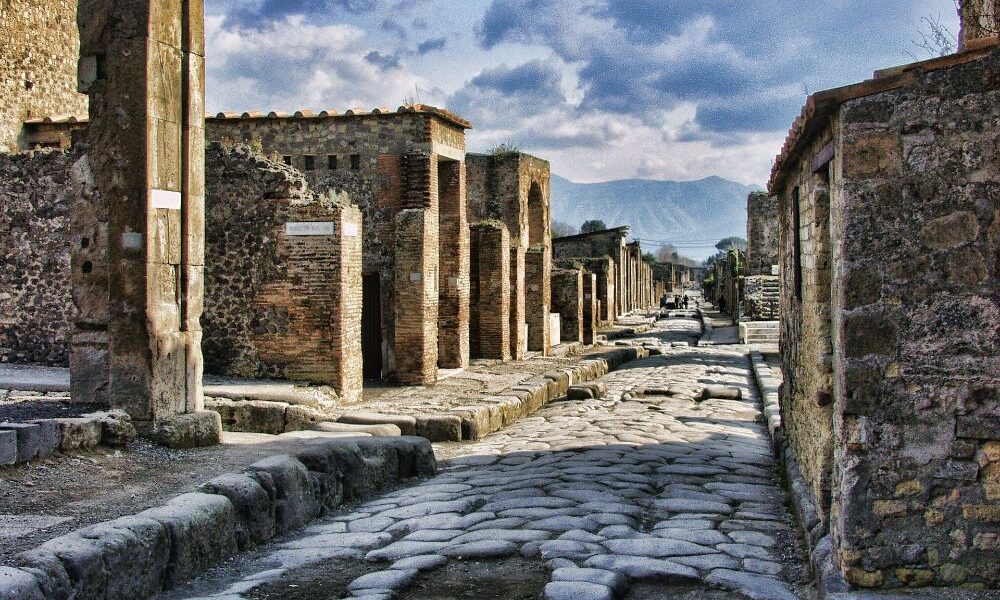 Pompeii is a vast archaeological site in southern Italy which was once a thriving and sophisticated Roman city until it was buried under a thick carpet of volcanic ash and pumice after the disastrous eruption of Mount Vesuvius in 79 A.D. Your group will be able to explore this preserved site and discover the excavated ruins of streets and houses where 2000 people died. Students will see how Fiorelli and his team poured plaster into the soft cavities in the ash, to create the preserved bodies at Pompeii. The original site of Pompeii is too fragile for people to live but there is a modern town of Pompeii nearby.
-
Vesuvius
Bay of Naples
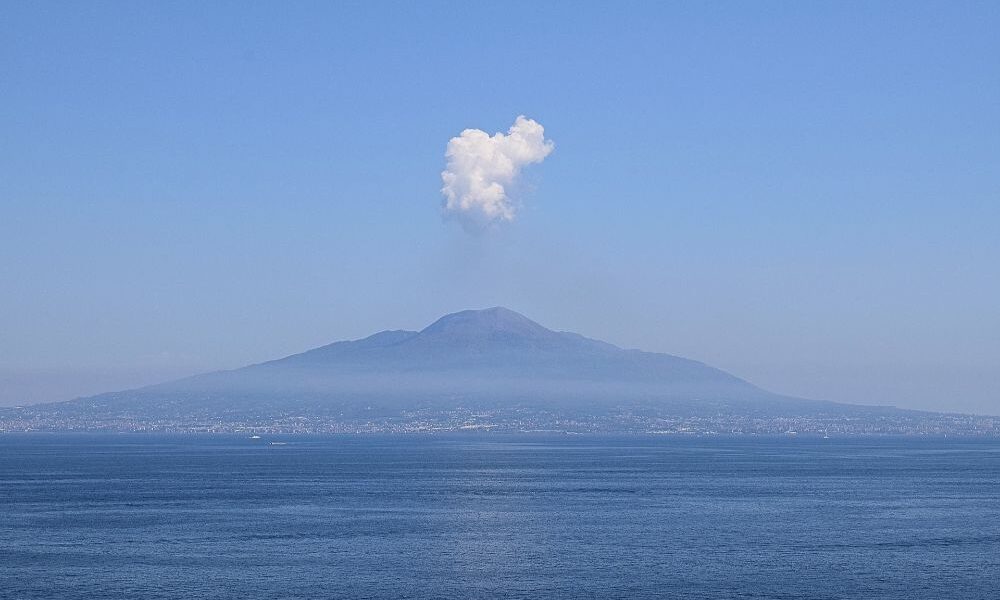 Vesuvius has erupted many times since the catastrophic eruption of 79 A.D, but the last one, in 1944, makes it the only volcano on the European mainland to have erupted within the last hundred years. Today, it is regarded as one of the most dangerous volcanoes in the world because of the proximity to the city of Naples and surrounding towns with a population of 3 million people. Vesuvius is just 6 miles from Naples and most school trips link a half day at Pompeii with a visit to Mount Vesuvius.


All our accommodation is provided through tried and tested suppliers that work well with different types of groups, including schools, colleges and social groups. We work with our agents in each country to provide the best accommodation suited to your group. This can depend on the time of year that you travel, your group size and type, the cities that you will travel to, accessibility and price. We will always discuss with you what your preferences are and give examples of the accommodation that we can offer.


