


Duration: 10 Days
Japan Explorer
Begin this school trip in Japan’s bustling capital Tokyo. This tour explorers the fascinating history of Japanese culture, including numerous temples, natural landmarks and the sight of the first Nuclear attack, Hiroshima. This tour will give a unique insight of the devastating impact of the first nuclear attack. The tour also visits Hakone, Kyoto and Nara to give an understanding of life throughout Japan.
All our tours are customisable, get in touch to discuss your specific requirements
All about the Japan Explorer.
The Edventure Travel Package
All Edventure Travel trips and tours can be customised to your personal requirements, this sample tour is designed to give you inspiration for your own trip. When you are ready to start planning, get in touch and we can design a bespoke package tour for your group. We will always make clear what is included and excluded in your quotation.
Fully Protected
Your trip will be fully protected through our membership of the ABTOT and ABTA. Furthermore, Edventure Travel has its own ATOL licence ensuring that you have complete protection when taking a flight. Edventure Travel offers travel insurance that can be included in your trip to give you protection in the event of unforeseen circumstances.
Customised for you
All tours are 100% customised to suit your group. We believe that every group should be treated individually, it's your tour after all. If you want to add something that is not featured on our website just let us know and we will work with you to develop an itinerary to meet your needs.
Out of Hours Contact
In the unlikely event that you encounter problems whilst on tour, there will always be someone at the end of the phone to assist with any situation.
Travel Advice
For the latest travel advice from the Foreign & Commonwealth Office including security and local laws, plus passport and visa information, click here. Foreign Travel Advice www.gov.uk/foreign-travel-advice
You should seek advise on recommended vaccinations and precautions from a health professional - either a GP, a practice nurse, a pharmacist or a travel health clinic - ideally at least eight weeks before departure. Further travel health advice can be found on the following link. Travel Health Pro Website https://travelhealthpro.org.uk/countries
The tour package inclusions and exclusions at a glance
What is included in this tour?Items that are included in the cost of tour price.
- Return Flights
- All travel when at your destination
- Accommodation based on bed and breakfast with students in multi-bedded rooms
- Teachers free of charge sharing twin rooms
- Full Time Tour Director
- All meals mentioned in the itinerary
- All activities mentioned in the itinerary unless otherwise stated
- Travel Insurance
What is not included in this tour?Items that are not included in the cost of tour price.
- Single Room Supplements
- Personal Expenditure
- Overseas departure taxes if applicable
- Tips for guides and drivers
- UK Coach Transfers
- Activities not mentioned
- Meals not mentioned
- Luggage in the hold of the aircraft


-
Tokyo
Japan
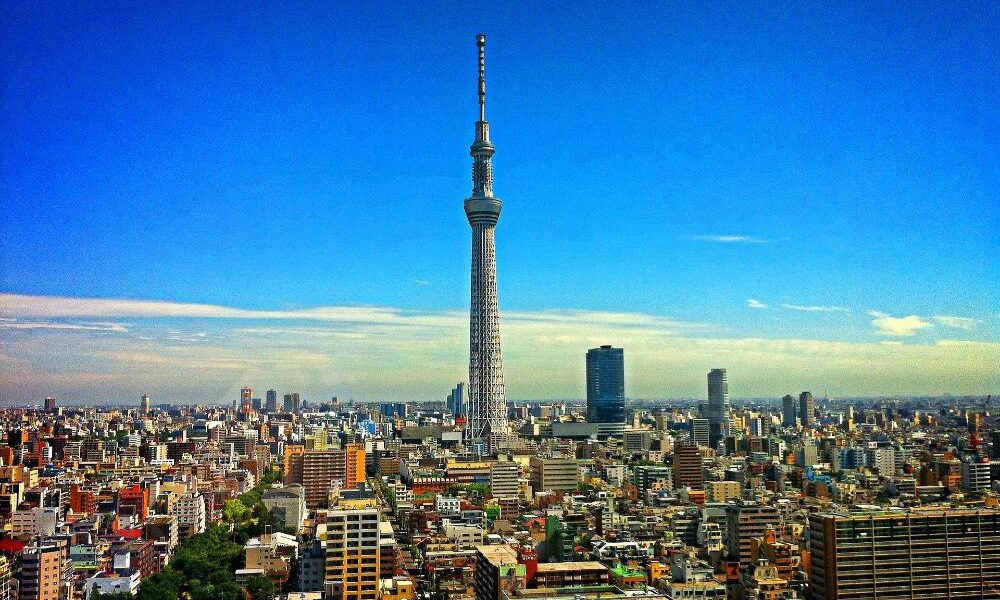 Tokyo is Japan’s capital and the world’s most populous metropolis. Visit the opulent Meiji Shinto Shrine which is known for its towering gate and surrounding woods; or discover the Imperial Palace which sits amid large public gardens; explore the many museums which offer exhibits ranging from classical art (in the Tokyo National Museum) to a reconstructed kabuki theatre (in the Edo-Tokyo Museum); or see the array of colour at night with the overload of electric lights. Today, Tokyo mixes the ultramodern and the traditional, from neon-lit skyscrapers to historic temples. Enjoy the unlimited choice of shopping, entertainment, culture and dining.
-
Kyoto
Japan
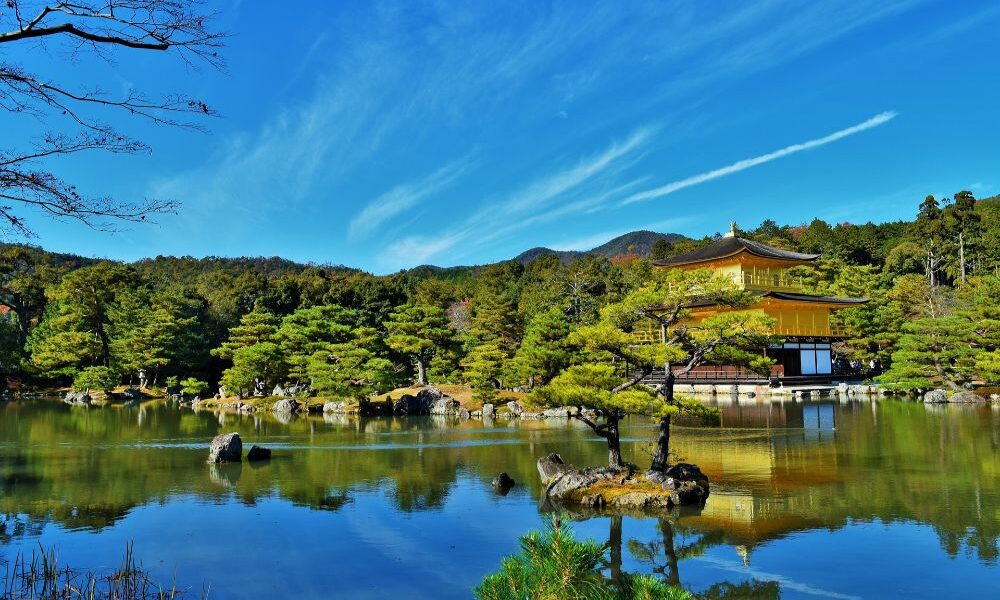 Kyoto, once the capital of Japan, is a city on the island of Honshu. It is considered the cultural capital of Japan and is a major tourist destination. Your group can visit many famous landmarks: the numerous Buddhist temples; as well as gardens; imperial palaces; Shinto shrines and traditional wooden houses; many of which are listed collectively by UNESCO as a World Heritage Site. It’s also known for formal traditions such as kaiseki dining, consisting of multiple courses of precise dishes, and geisha, female entertainers often found in the Gion district.
-
Roppongi Hills Observation Deck
Tokyo
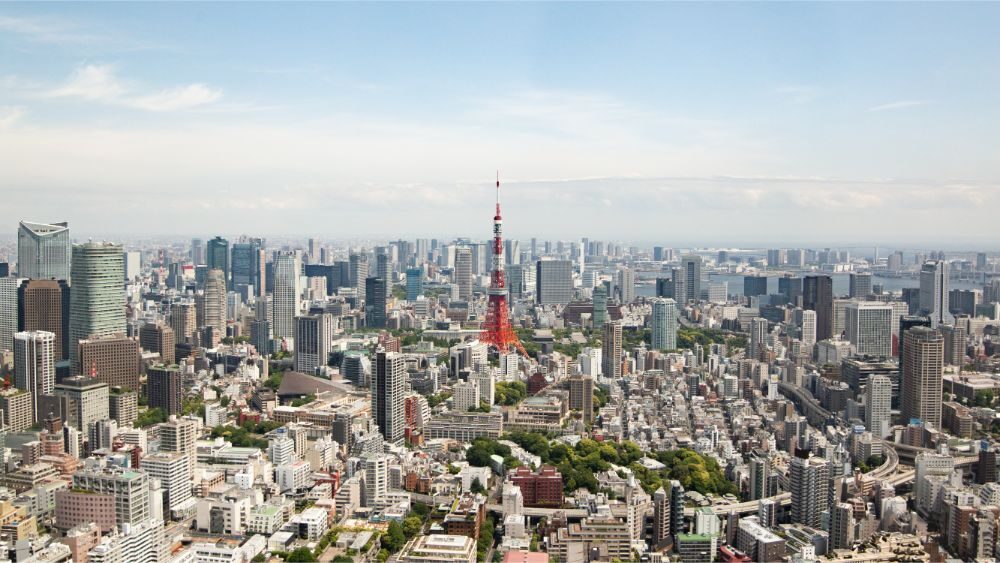 Visit one of the tallest buildings in the city and discover the amazing view of Tokyo from the 238 meters tall Mori Tower observation deck. While most of the building is occupied by office space which is home to leading companies from the IT and financial sectors; the first few floors have restaurants and shops and the top few floors house the observation deck and a modern art museum that your group can visit. Roppongi Hills has become a symbol of the Japanese IT industry and is one of the best examples of a city within the city
-
Kirifuri Falls
Nikko
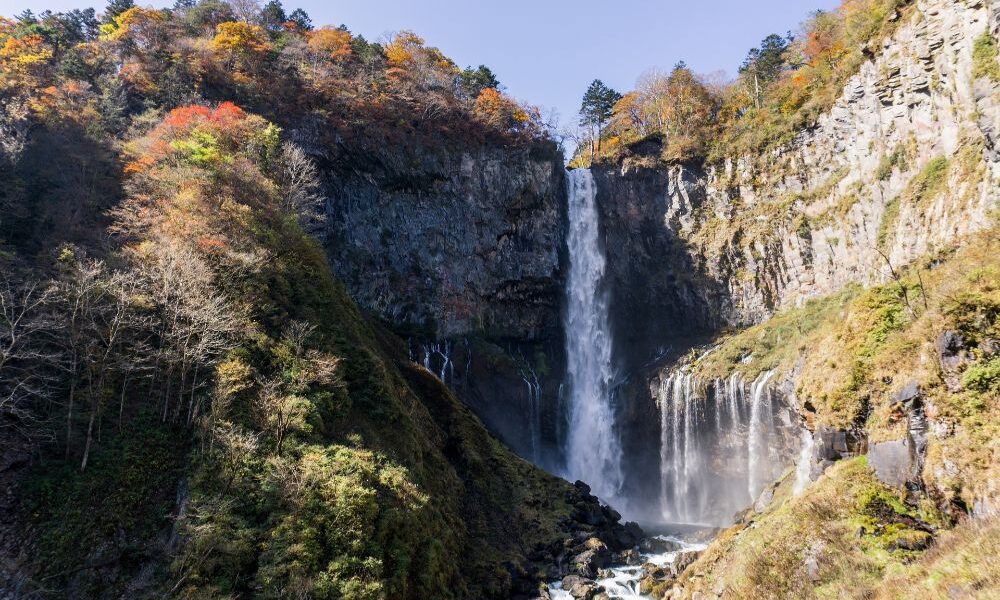 Experience the beauty and power of this dramatic waterfall, with Edventure Travel, which is one of Nikko’s most famous waterfalls and over 75 metres tall. Kirifuri Falls is one of the most striking waterfalls in one of the most dramatic nature spots and the unique bend and steepness of the waterfall and its beautiful forest location make it worth a visit. Kirifuri which means “falling mist,” accurately describes the effect caused by the water spray as it bounces off the rocks and plummets to the bottom. The area is also popular for viewing autumn colours.
-
Nara Park
Nara
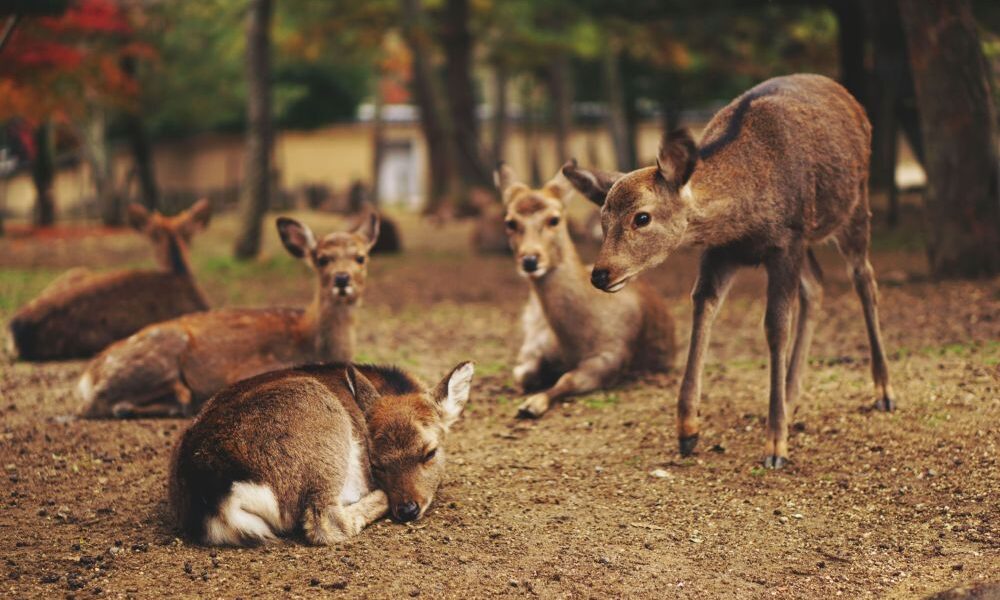 Nara Park is a public park referred to by many as “Deer Park” due to the large population of more than one thousand tame sika deer. It sits at the foot of Mount Wakakusa. It is one of the oldest parks in Japan and is classified as a natural treasure and considered a place of Scenic Beauty. The previously private gardens are now open to public and these gardens make use of the temple buildings as an additional feature of their landscapes. Today, visitors can purchase “deer-crackers to feed the deer in the park. The park is home to the Nara National Museum and Todai-ji, where the largest wooden building in the world houses a 15-metre tall statue of Buddha.
-
Hiroshima's Peace Memorial Park
Hiroshima
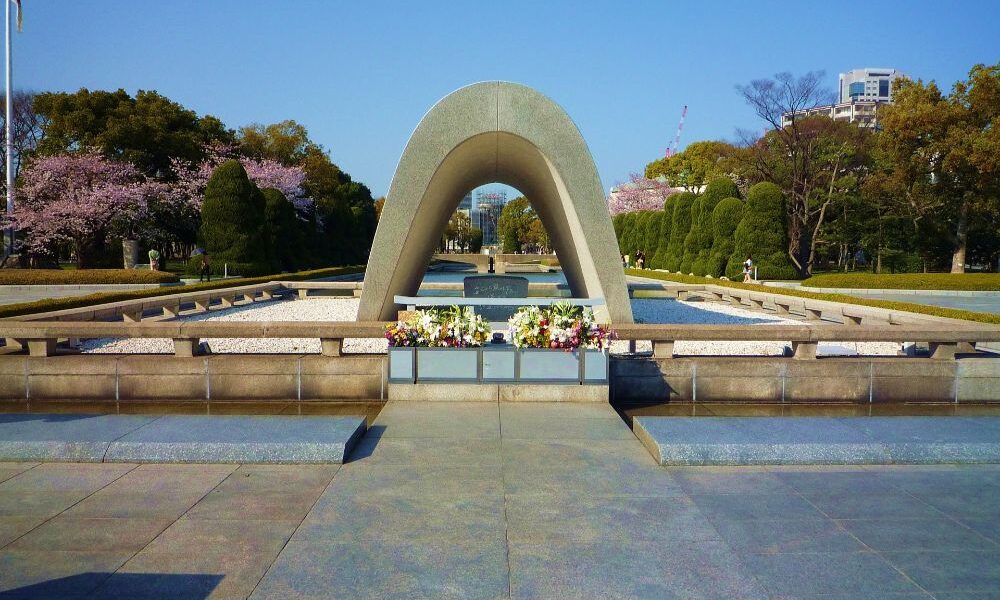 Hiroshima was the first city in history to suffer a nuclear attack and this memorial park, in the centre of Hiroshima, takes up over 120,000 square meters and is dedicated to the legacy of this first atomic bombing and to the memories of the bomb’s direct and indirect victims. The A-Bomb Dome was one of the few structures left standing after the blast and the ruins of the former Prefectural Industrial Promotion Hall have been kept in the same state as immediately after the bombing. It is also a UNESCO World Heritage site. The park acts as a symbol of the most destructive force known to man, as well as a sign of hope for world peace. About half the deaths in Hiroshima and Nagasaki occurred on the day of the blasts; burns and radiation sickness claimed many more in the following weeks and months.
-
Peace Memorial Museum
Itoman
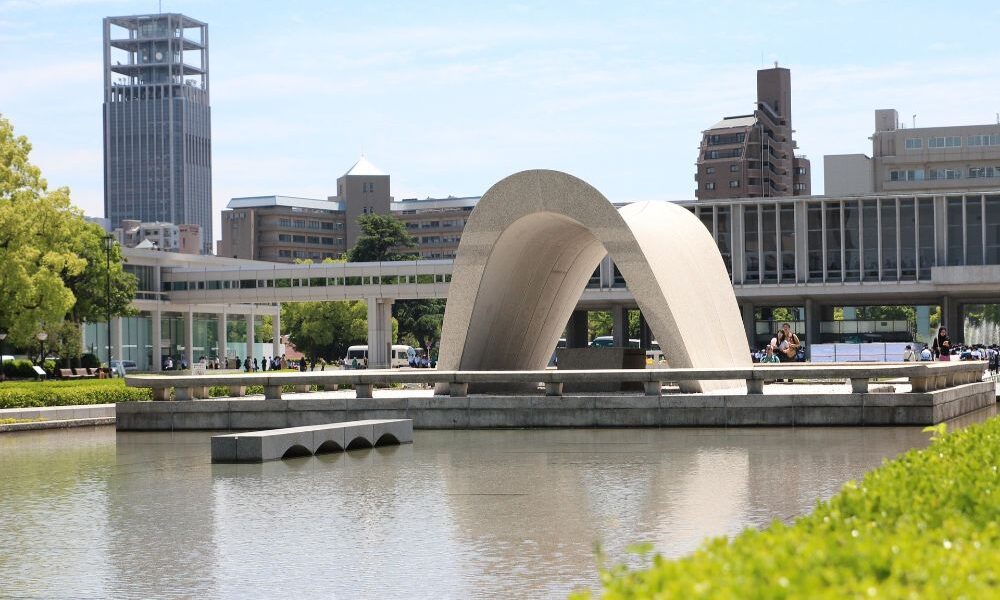 Okinawa Prefectural Peace Memorial Museum is a museum in Itoman, Okinawa. It covers the history of Hiroshima and the advent of the nuclear bomb. It provides visitors an opportunity to hear eyewitness testimonies and learn about the devastating effects the A-bomb had on the city of Hiroshima and its people. The Memorial Path includes 32 memorial monuments. There are a number of separate memorials including the Okinawa Peace Hall, a large tower erected in 1978.
-
Nikko
Japan
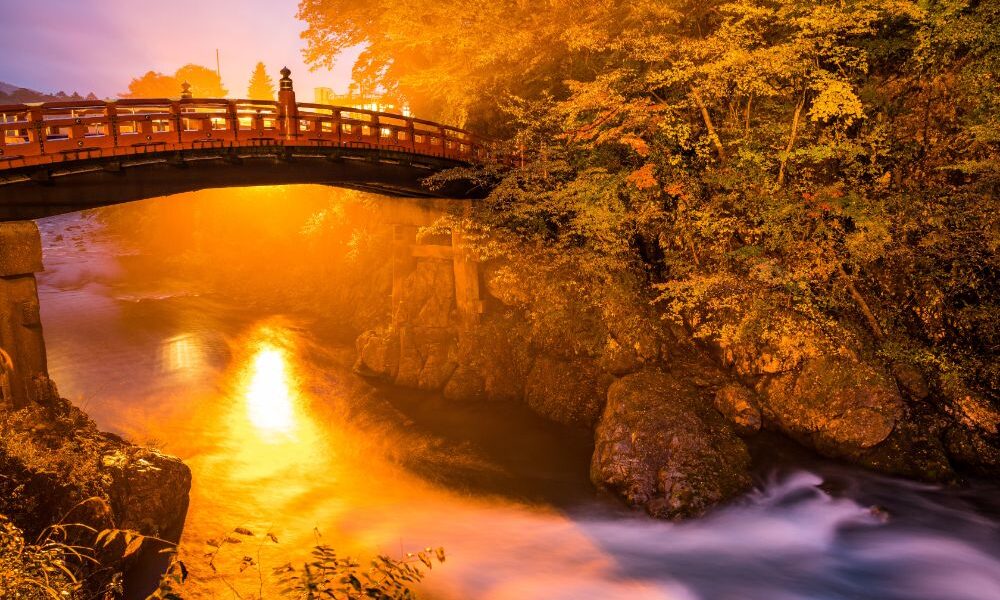 Nikko is a small city in Japan’s Tochigi Prefecture, in the mountains north of Tokyo. It has been the centre of Shinto and Buddhist worship for many centuries and the general mountain area is now a protected national park. Visit the famed Toshogu Shinto shrine established in 1617, now part of UNESCO’s World Heritage list, which comprises the gilded Yomeimon Gate, the main sanctuary set in a cedar grove and the tomb itself. Nikko also offers beautiful natural sceneries for each seasons and the stunning red leaves during autumn attracts many tourists.
-
Arashiyama
Japan
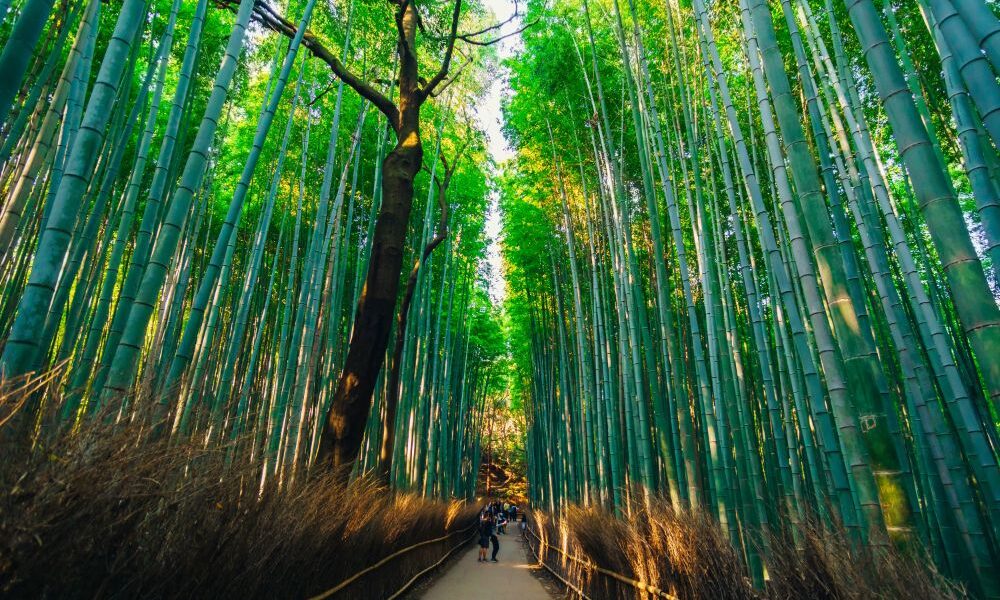 From the slopes of Arashiyama your group could cross The “Moon Crossing Bridge”, notable for its views of cherry blossoms and autumn colours. Visit The Iwatayama Monkey Park on the slopes of Arashiyama where over 170 wild monkeys live which have become accustomed to humans. At the summit is a fenced enclosure where visitors can feed the monkeys. Visit Matsunoo-taisha which is home to a blessed spring and is one of the oldest shrines in the Kyoto area. Also visit Tenryuji, the main temple, and one of the two main sects of Zen Buddhism in Japan which is now a World Heritage Site. Travel through the famous bamboo groves used to make various products.
-
Mt Fuji
Japan
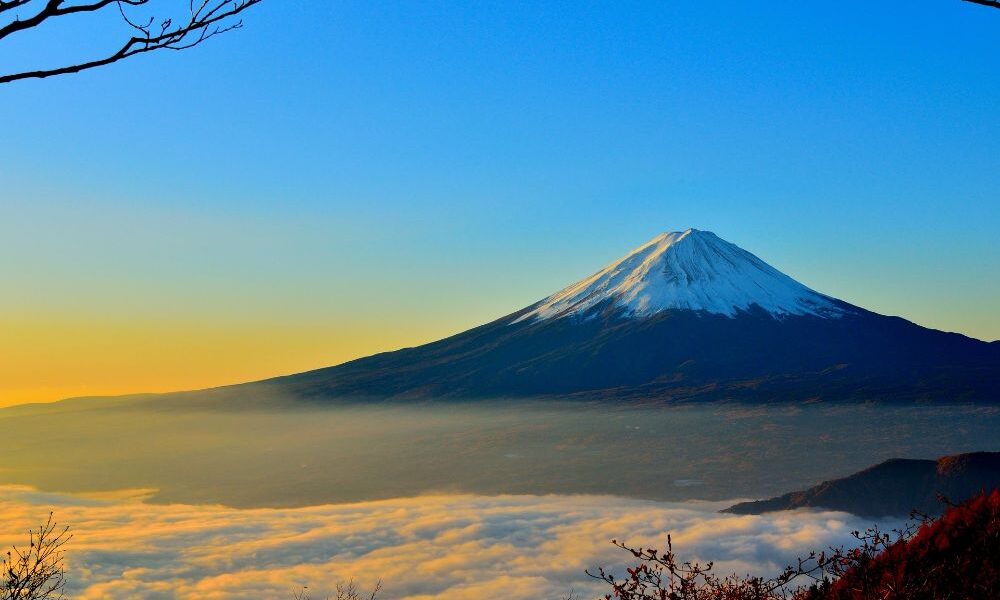 Japan’s Mt. Fuji is an active volcano about 100 kilometres southwest of Tokyo and can be seen from there on a clear day. It’s the highest volcano in Japan, at 3,776 meters, and last erupted in 1707–1708. Mount Fuji’s exceptionally symmetrical cone, which is snow-capped for about 5 months a year, is commonly used as a symbol of Japan and it is classed as a Special Place of Scenic Beauty. It is frequently depicted in art and photographs. As well as being visited by sightseers and climbers, it has been a pilgrimage site for centuries and is considered one of Japan’s three sacred mountains and summit hikes remain a popular activity.
-
The Fushimi Inari Shrine
Kyoto
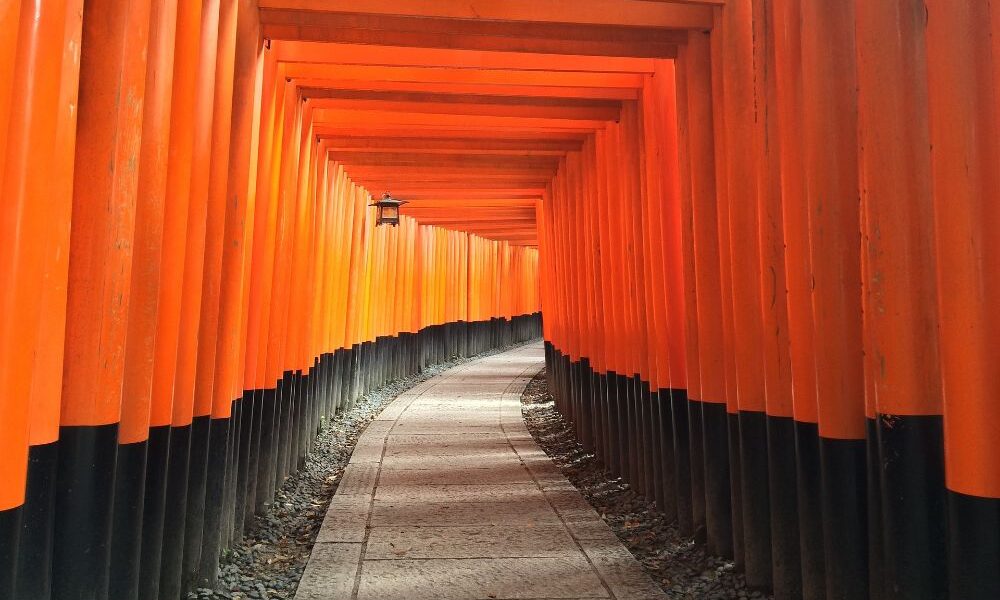 Featured in the movie “Memoirs of a Geisha”, this shrine is known for its thousands of red torii gates leading up and through the sacred forest of Mount Inari. It has been voted number one must see spot in Kyoto. The shrine sits at the base of a mountain also named Inari and includes trails up the mountain to many smaller shrines which span 4 kilometres and takes approximately 2 hours to walk up. Manufacturers have traditionally worshipped Inari as the patron of business. At the bottom of the hill are the main gate and the main shrine. Behind them, in the middle of the mountain, the inner shrine is reachable by a path lined with thousands of torii. At the top of the mountain there are tens of thousands of mounds for private worship.
-
Kinkakuji
Kyoto
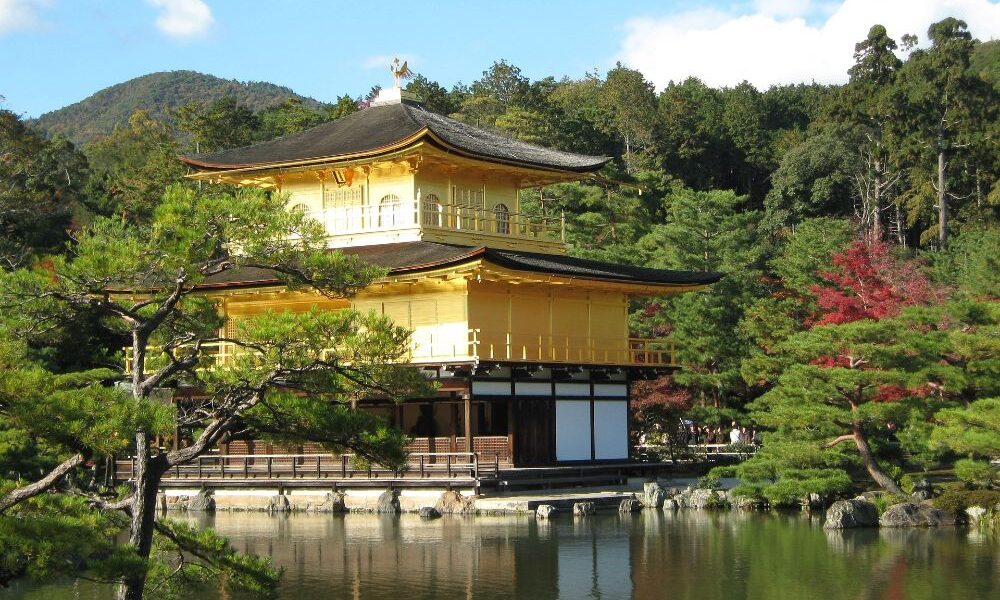 Kinkaku-ji, also known as the Golden Pavilion, was originally built as a retirement villa for the Shogun and is now one of Kyoto’s most famous Zen Buddhist temples. The villa was transformed into the Kinkaku-ji complex by Yoshimitsu and converted into a Zen temple by his son, when he died. The building has burnt down twice in its history; the first during the Ōnin war (1467–1477); and the second by a novice monk in 1950.The present pavilion structure dates from 1955, when it was rebuilt and is a close copy to the original. The name Kinkaku is derived from the gold leaf that the pavilion is covered in and because the building is mainly covered in this, it reflects the sunlight and this creates an impressionable reflection on the pond.
-
The Floating Torii Gate & Itsukushima Shinto Shrine
Itsukushima
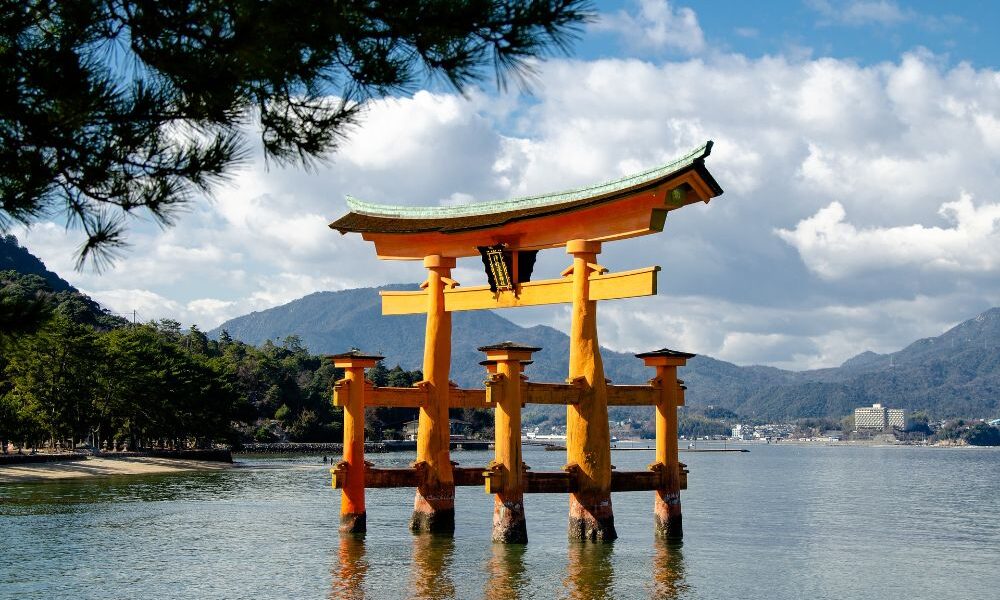 The Itsukushima Shinto Shrine is situated on the island of Itsukushima and is a designated UNESCO World Heritage Site. The Japanese government has designated several buildings and possessions as National Treasures. It is best known for its “floating” torii gate on the outskirts of the shrine. The red entrance gate was built over the water so that it appeared to float. It is considered to be one of Japan’s most beautiful views when it seems to float on water at high tide. It is also famous for its sacred peaks of Mount Misen; extensive forests; and its aesthetic ocean view. Mount Misen is its tallest peak and tourists can either hike or take a ropeway to the top.


All our accommodation is provided through tried and tested suppliers that work well with different types of groups, including schools, colleges and social groups. We work with our agents in each country to provide the best accommodation suited to your group. This can depend on the time of year that you travel, your group size and type, the cities that you will travel to, accessibility and price. We will always discuss with you what your preferences are and give examples of the accommodation that we can offer.


